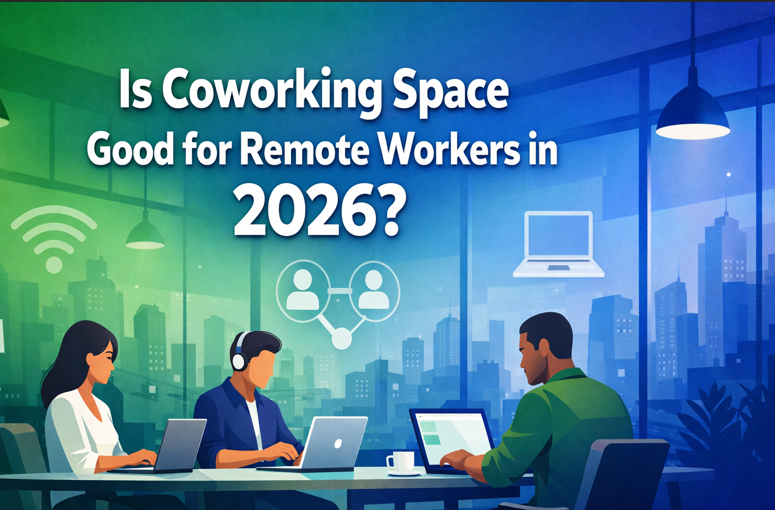
Is Coworking Space Good for Remote Workers in 2026?
Quick Summary
Remote work in 2026 offers flexibility, but it also creates distractions, isolation, and blurred work-life boundaries. Choosing a professional environment like Universe Coworks can improve productivity, strengthen professional networking, and provide a structured atmosphere without the cost of a traditional office lease.
- •Improve focus and productivity by reducing household distractions.
- •Establish clear boundaries between work and personal life.
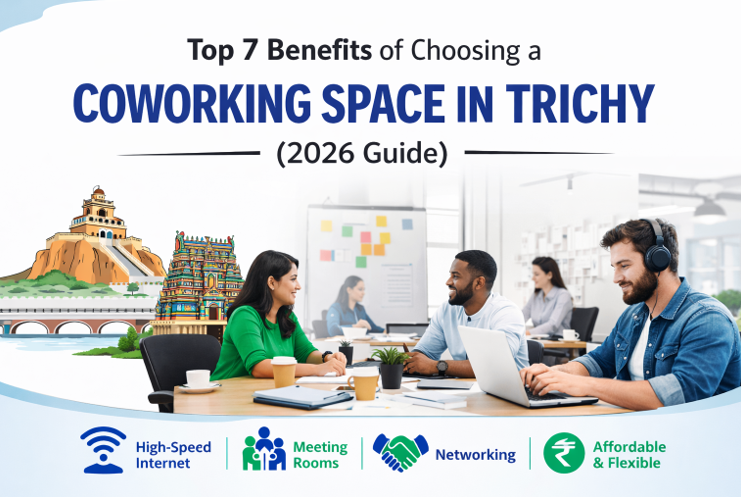
- •Access professional infrastructure like high-speed internet and meeting rooms.
- •Build a strong professional network through a collaborative community.
Is Coworking Space Good for Remote Workers in 2026?
For many professionals, the answer is yes. A well-designed shared office environment supports focus, improves accountability, and creates opportunities for collaboration. While working from home remains convenient, a structured workspace often delivers better long-term consistency and career growth.
Are co-working spaces worth it? They can be, offering networking opportunities, dedicated workspaces, and amenities that enhance productivity. They foster collaboration and creativity while providing a professional environment. However, individual preferences and work styles should guide the decision on whether to invest in such spaces.
The State of Remote Work in 2026
Remote work has evolved into a vibrant community for remote businesses and a sense of professional atmosphere as a permanent work model in recent years, allowing for new ideas to flourish across various industries. This evolution has implications for mental health and stress levels, and can boost productivity, positively impacting work life, especially during video calls.
However, working independently comes with challenges:
- •Household distractions and interruptions
- •Reduced social interaction leading to isolation
- •Difficulty maintaining consistent work routines
- •Limited access to professional meeting infrastructure
Over time, these factors can affect efficiency, motivation, and professional visibility. This is why many independent professionals are reconsidering their workspace strategy.
What Makes a Shared Workspace Different?
A shared workspace is designed for flexibility without sacrificing professionalism. Unlike traditional office leases, it allows individuals and small teams to access premium facilities on demand.
Key Benefits for Independent Professionals
1. Improved Focus and Output
A dedicated workspace reduces distractions commonly found at home environment life. When individuals step into a professional setting, their mindset shifts toward performance. This leads to higher task completion rates, better time management, and consistent daily routines.
2. Clear Separation Between Work and Personal Life
One of the biggest challenges of remote work is blurred boundaries. Using an external workspace creates a psychological boundary, supporting mental well-being, reducing burnout, and enhancing long-term sustainability.
3. Stronger Networking Opportunities
Professional growth often depends on meaningful connections. A shared environment brings together entrepreneurs, consultants, designers, developers, and founders, encouraging collaboration, partnerships, and client referrals.
4. Professional Client Experience
Meeting clients in informal settings may not project authority. A structured workspace offers conference rooms and presentation facilities that enhance brand credibility and trust.
5. Flexible Cost Structure
Shared environments operate on flexible membership models. Professionals can choose daily access, monthly plans, dedicated desks, or private cabins, allowing better financial planning.
Home Office vs Shared Workspace
| Factor | Shared Workspace | Home Setup |
|---|---|---|
| Focus | Structured | Variable |
| Community | Active | Limited |
| Client Meetings | Professional | Basic |
| Flexibility | High | High |
| Long-Term Growth | Strong support | Self-driven |
Who Should Consider This Option?
Transitioning to a professional environment can create noticeable improvements for:
- ✓Freelancers managing multiple clients
- ✓Startup founders building teams
- ✓Consultants needing meeting facilities
- ✓Remote employees seeking structure
- ✓Entrepreneurs expanding networks
Are There Any Limitations?
While beneficial, this model may not suit everyone. Possible drawbacks include membership costs, commute time, and noise in open layouts. However, many modern facilities now offer quiet zones and private cabins to accommodate different preferences.
Long-Term Outlook of Flexible Workspaces
The demand for flexible office environments continues to rise. These spaces are evolving into innovation ecosystems rather than simple desk rentals, featuring community events, skill workshops, business meetups, and collaborative sessions.
Frequently Asked Questions
Q.Is a coworking space better than working from home?
For professionals who struggle with distractions or isolation, a shared workspace often improves focus and collaboration.
Q.Does using a professional workspace increase productivity?
Yes. Many individuals report higher consistency and better time management when working in a structured environment.
Q.Is it expensive compared to home working?
There is a membership cost, but it provides access to infrastructure, meeting rooms, and networking opportunities.
Q.Can a coworking space help reduce remote work burnout?
Yes. A change in environment, social interaction, and clear work boundaries can significantly reduce burnout.
Q.Is it suitable for hybrid workers?
Absolutely. Hybrid professionals often benefit from flexible workspace memberships as it provides professional infrastructure without long-term commitments.
Final Thoughts
Is coworking space good for remote workers in 2026? For many, yes. It supports productivity, encourages network expansion, enhances professional image, and improves work-life structure.
The future of work is flexible. The workspace you choose should support both performance and well-being.
Share this article
Spread the knowledge with your network